Before & After Project | Chadsworth Columns

CHADSWORTH COLUMNS
Before and After Project
THE KING STREET HOUSE
Original Post: by Fivecat Studio
Some Current Work
We have several interesting projects developing at Fivecat Studio,
so I thought I would start sharing some of them with you.
We’ve been working with a couple in Chappaqua, for several
years now, developing a master plan for their home on King Street.
The house was originally built by the Ginsberg family in the late
1920’s.  Mr. Ginsberg owned much of the land along what is

now Rt. 120.
The King Street House project, which I have shared previously,
was built for one of Mr. Ginsberg’s sons and the home we are
currently working on (photos below) was built for the other son.
The first phase of the master plan is to add a new entry porch,
replace the roof, restore the wood trim and refinish the existing
stucco.  This phase is just about complete, so here are some
before and after photos.

BEFORE
Chadsworth Columns Before Photograph Chadsworth Columns | Before Photo - King Street House
AFTER
(actually it’s not yet complete, as you can see by the scaffolding still hanging from the rear wall)
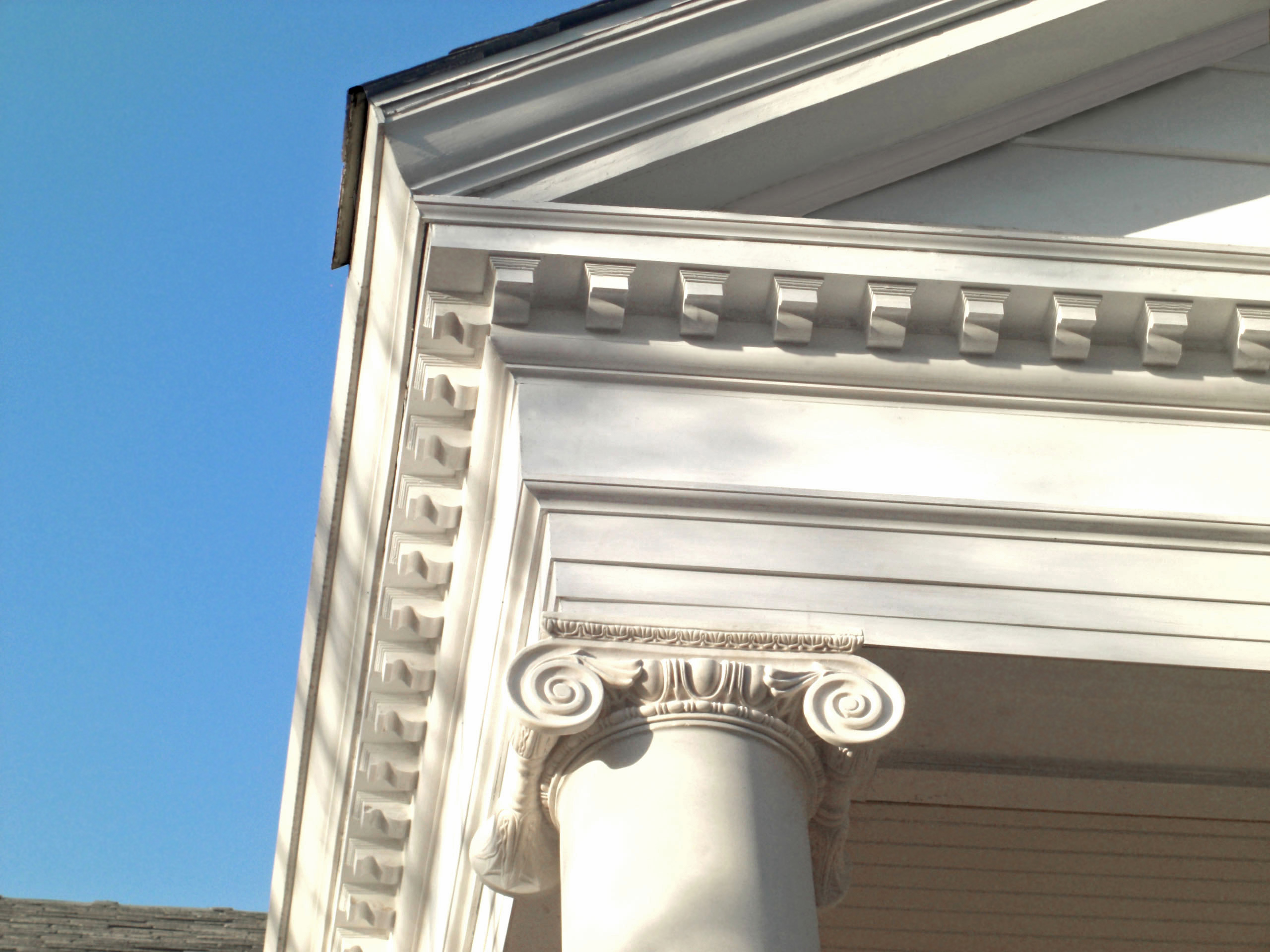
Chadsworth Columns | After Photographs | Porch Columns Porch Columns | Chadsworth Columns | Square 14" Composite Columns
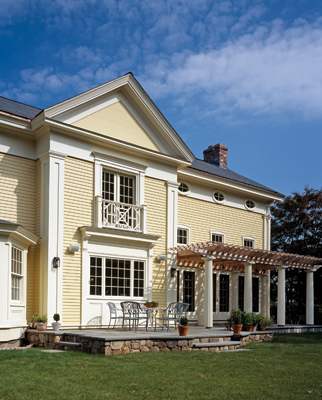
The new porch includes a mahogany roof deck accessed from the
master bedroom, 14″ composite columns from Chadsworth and a
limestone landing & steps.  The diamond detail in the limestone
refers to the existing marble tile floor in the entry foyer.


As we complete the remaining phases, I will post more photos.
I will also begin sharing some of our other work. [abridged]

Greek Excursion – Jan Gleysteen Architects

Source:  http://www.traditionalbuildingportfolio.com/projects/residential/greekexcursion.html

Greek Excursion

A run-down house in Massachusetts is reborn as a Greek Revival residence.

Project: Residence, Weston, MA

Architect: Jan Gleysteen Architects, Wellesley, MA; Jan Gleysteen, NCARB, AIA, principal

By Annabel Hsin

On a picturesque Saturday morning, architect Jan Gleysteen and his son drove to the quaint coastal Maine town of Wiscasset to visit a collection of Greek Revival houses built between 1820 and 1845. They spent the afternoon photographing, measuring and documenting various architectural details and conducted case studies of four houses. The research was for a project in Weston, MA, in which the owners of a run-down Cape structure approached Gleysteen, principal of Wellesley, MA-based Jan Gleysteen Architects, with the goal of rebuilding their house.

“The clients came to me and said they wanted a Greek Revival house that reflects early American democracy,” says Gleysteen. “I’d never designed a Greek Revival, but had studied the style when I was a student under Robert Stern, who told us to go and measure everything. By the time I received this assignment a couple of decades later, I had the academic orientation to go about designing this house.

“There are many Greek Revival examples in Weston, but I did most of my research in Wiscasset because it’s a beautiful town and there are more than a dozen houses side by side,” he adds. “I could compare one house to another, and I found very little variation, so it gave me a basis of confirming that the dimensions were correct. Whereas in Weston, the houses were scattered, and it was an agrarian community until the late-19th century.”

Adjacent to a 30-acre communal farm, the site is located on a busy road with restrictive zoning. In order to comply with the zoning restrictions, a small portion of the original house and most of the original foundations were retained. “Even though there was virtually nothing left of the original house, which was in terrible condition,” says Gleysteen, “we had to build a new home on the existing foundation.”

The program called for the space of a typical five-bedroom suburban house with a kitchen, living, dining, family and breakfast rooms as well as a pantry, mudroom and two-car garage, resulting in a 4,800-sq.ft. structure. To disguise the home’s true size, Gleysteen split the program into two back-to-back gabled wings and arranged them in a pinwheel plan to enclose a hidden, flat rooftop at the center.

“The key to the scale was to not allow the roof ridge to keep rising up,” says Gleysteen. “On the front façade, the roof ridge stops at 15 ft. but the depth of the house is 47 ft. If we placed the ridge in the middle, like most houses, it would be 24 ft. high. When viewed from any angle, our depth illusion is what appears to be a 2,000-sq.ft. house.”

Below the roofline, details from the Wiscasset case studies were replicated on the exterior. The front elevation consists of a main gable and a side porch with the main entry placed at the center. The façade is complemented with recessed corner pilasters, western red cedar siding and double-hung windows with operable shutters as well as surrounds that were inspired by the temple form. Beneath the porch, there are fluted Doric columns, triple-hung windows and a French side door with exaggerated crossbars to resemble the windows. Above the second floor, a tall horizontal frieze extends across the entire façade. The rear elevation contains identical details but the main gable is placed at the center and the porch is replaced with a pergola and three sets of French doors; a bluestone terrace completes the outdoor gathering space.

“The half-round windows on the elevations were idiosyncratic design elements from the early-19th century that aren’t repeated today,” says Gleysteen. “Today, those would be perfect half-round windows. Instead, these have a large solid starting base for the spoke mullions to meet; it’s more of a sunburst. The other unique detail is the oval attic windows – a coastal variation inspired by maritime portholes on a sailing ship.”

Through the main entry, the foyer, parlor, library alcove and dining room make up the formal living spaces and contain Greek Revival details that were rigorous in their replication. The dining room features crown molding, wainscoting and window casings with operable angled shutters. The door surround supports an over-scaled crown that was another detail of the style inspired by Egyptian forms.

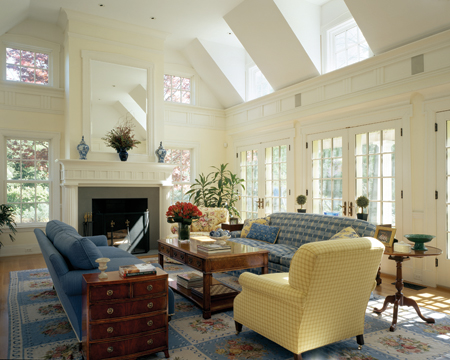
Toward the rear, the family room and kitchen share a large open space. The family room is one-and-a-half stories high with two levels of windows and French doors to allow natural light in. Its focal point is a fireplace with Classical details, Doric columns and a mirror resembling a temple above the mantel.

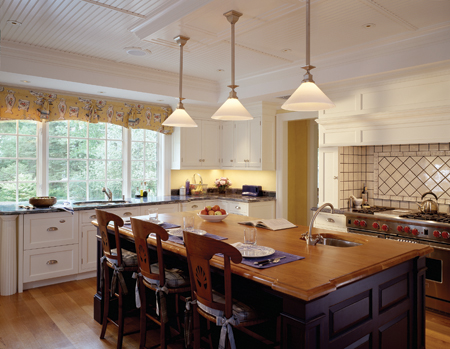
At the center of the kitchen, a large island is topped with marine-grade, finished teak. Shaker-style cabinets and imported Bahia blue granite countertops complement the large window over the sink. A bead-board ceiling and an exaggerated crown housing recessed lights complete the room. White oak floors were installed throughout to unite the casual and formal spaces.

“The island is the most important element in our kitchen designs,” says Gleysteen. “In this case, we designed a center panel for the chandeliers over the island to strengthen the central space. Each light attaches to the panel that has a stepped profile, which was influenced by Art Deco – the style correlates with Greek Revival in its use of geometry.”

Adjacent to the kitchen, the mudroom is treated as a second front door with accommodations for closets, cubbies, a bathroom and access to the garage. Antique limestone was installed in an ashlar pattern on the floor and the steps leading to the garage are bluestone.

The use of classic Beaux Art axial geometry improves the interior flow and draws attention to the exterior views. “When you enter from the garage, you’re on axis to the kitchen that leads to the family room and ends with a window,” says Gleysteen. “Conversely, through the front door to the left, you can look straight through into the family room and there’s a glimpse of the rear yard beyond. There’s another sightline from the dining room, through the butler’s pantry, to the large window over the kitchen sink.”

Upstairs, the master suite – consisting of a bedroom, dressing room, master bath and a large study – along with two other bedrooms, a bathroom, an additional bedroom suite and a laundry area, are organized around the central hall, which is illuminated by a skylight. Light fixtures beside the skylight are set in panels with the same design as the one above the kitchen island. The ceiling is accentuated with a distinctive cove-shaped Greek key molding below the crown.

Key manufacturers and suppliers for the project included Wausau, WI-based Kolbe & Kolbe Millwork (windows); Wilmington, NC-based Chadsworth Columns; Montgomeryville, PA-based Tim-berlane (shutters and shutter hardware); Branchburg, NJ-based Hahn’s Woodworking Company (garage doors); and Portland, OR-based Rejuvenation (interior lighting).

“This project was a labor of love,” says Gleysteen. “We’re very passionate about historic American architectural styles and it was a really fun adventure. We’re pleased about the rigorous research we conducted, having the chance to measure everything and using our background in construction detailing to replicate these details. This project is a rarity because not everyone does it, and I would love to see more Greek Revival-inspired architecture built.”

Jan Gleysteen Architects of Wellesley, MA, renovated a run-down Cape structure in Weston, MA, to reflect Greek Revival precedents and early American democracy. The 4,800-sq.ft. house comprises a kitchen, living, dining, family and breakfast rooms as well as a pantry, mudroom and two-car garage. All photos: Sam Gray

Jan Gleysteen Architects of Wellesley, MA, renovated a run-down Cape structure in Weston, MA, to reflect Greek Revival precedents and early American democracy. The 4,800-sq.ft. house comprises a kitchen, living, dining, family and breakfast rooms as well as a pantry, mudroom and two-car garage. All photos: Sam Gray

The one-and-a-half-story family room shares an open space with the kitchen. It features two levels of windows and French doors, as well as a Classically-detailed fireplace.

The one-and-a-half-story family room shares an open space with the kitchen. It features two levels of windows and French doors, as well as a Classically-detailed fireplace.

A marine-grade, finished-teak island anchors the kitchen. White oak floors unite the casual and formal spaces and complement the bead-board ceiling and Shaker-style cabinets.

A marine-grade, finished-teak island anchors the kitchen. White oak floors unite the casual and formal spaces and complement the bead-board ceiling and Shaker-style cabinets.

A skylight illuminates the second-floor central hall, around which the master suite, two bedrooms, a bathroom, an additional bedroom suite and a laundry area are organized.

A skylight illuminates the second-floor central hall, around which the master suite, two bedrooms, a bathroom, an additional bedroom suite and a laundry area are organized.

As viewed from the main entry, the dining room contains Greek Revival details such as crown molding, wainscoting and window casings with operable angled shutters. The door surround supports an Egyptian-inspired over-scaled crown.

As viewed from the main entry, the dining room contains Greek Revival details such as crown molding, wainscoting and window casings with operable angled shutters. The door surround supports an Egyptian-inspired over-scaled crown.

Off the second-floor central hall, the master suite consists of a bedroom, dressing room, master bath (pictured) and a large study.

Off the second-floor central hall, the master suite consists of a bedroom, dressing room, master bath (pictured) and a large study.

The rear elevation is detailed to match the front facade, but features a centered main gable, pergola and three sets of French doors that lead to a bluestone terrace.

The rear elevation is detailed to match the front facade, but features a centered main gable, pergola and three sets of French doors that lead to a bluestone terrace.

Not by the Book – Gary L. Brewer, AIA, New York, NY

Source:  http://www.period-homes.com/Previous-Issues-13/MarchProject13Brewer.html

Not by the Book

(See Photos Below)

An historic house and neighborhood just north of New York City prompt architect Gary Brewer to change direction.

Project: Residence, Park Hill, Yonkers, NY

Architect: Gary L. Brewer, AIA, New York, NY

By Lynne Lavelle

After living in New York for 10 years, architect Gary Brewer found himself at a crossroads familiar to many first-time homebuyers: Stay in the city or go further afield? The year was 2003, and Brewer, now a partner at Robert A.M. Stern Architects, was architect-in-charge for the Perkins Visitor Center at Wave Hill in the Riverdale section of the Bronx. At the time, Brewer was renting an apartment in Brooklyn’s Carroll Gardens neighborhood and was interested in buying a townhouse. Having spent more than a decade in Greenwich Village and Brooklyn, Yonkers was not on Brewer’s shortlist, until a New York Times article caught his eye.

“I came across the house almost by accident,” he says. “There was an article in the Real Estate section’s ‘Thinking of Living In …’ column on the Park Hill neighborhood and its history, with pictures of three houses for sale. After a meeting at Wave Hill, I decided to drive to Park Hill and ended up buying the house featured in the article. I had really only driven through Yonkers before and knew little about it.”

Brewer, a partner who joined RAMSA in 1989, has a broad portfolio of university buildings, hospitality and cultural centers, specializing in new traditional design. He has won national acclaim for both his high-end custom residences and pattern book houses such as the 1994 Life magazine Dream House and This Old House magazine’s 1998 Dream House in Wilton, CT. Of the former, more than 7,000 plan sets have been sold, while the latter was featured editorially for one year to educate potential homebuilders and buyers about the design and construction of traditional houses.

Beyond being a place to live, the 1906 two-story house in Park Hill presented something of a research project. The neighborhood was developed by the American Real Estate Company between 1880 and 1930 and will be featured in RAMSA’s upcoming book, Paradise Planned: The Garden Suburb and the Modern City, to be published by The Monacelli Press this fall. And the house itself was immediately identifiable as an American Foursquare – a common pattern-book house type – owing to the stairs in the middle, porch across the front and hipped roof.

“Having worked on the dream houses and lectured on the history of American pattern-book houses, I knew exactly what it was,” says Brewer. “The house is essentially a box: if you take the square plan and divide it into four, that’s how the rooms lay out. They come in various styles, such as Craftsman and Colonial Revival, and were very popular after the elaborate Victorian-era houses because they were easier to build and fit on narrow village lots.”

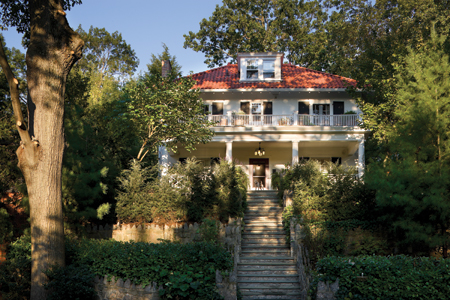
The house sits high upon a ledge, overlooking Tibbetts Brook Park, and is surrounded by stonework and mature trees that give an exaggerated sense of distance from its neighbors. While it was not completely lacking in detail, there was no clear aesthetic, and like many historical houses, it had been modified over the years with varying degrees of success. Working loosely from the outside in, Brewer’s first tasks were to replace existing concrete walks with bluestone, add more landscaping, and update the porch with new handrails, Chadsworth columns and an AZEK soffit. Not a “do-it-yourselfer,” the architect used multiple contractors to work through his checklist, prioritizing from things he could not bear to live with to minor irritations that could wait.

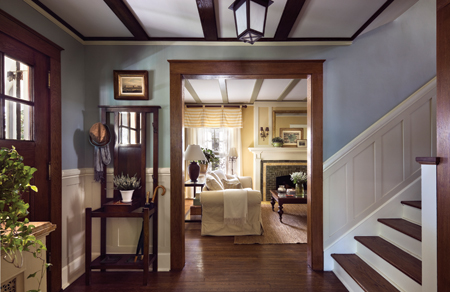
Inside, the first order of business was to lighten the atmosphere. Changes to the ground-floor entry had resulted in a rather oppressive welcome; the original beams had been removed to accommodate a dropped ceiling, and the casings and wainscot had been shellacked to a dark brown/black. After first sanding down the casings, which took one week, Brewer elected to paint the remainder of the woodwork. “I had a great painter,” says Brewer, “and I used Farrow & Ball paints throughout the house in colors typical of RAMSA houses, which also highlighted the architectural features.”

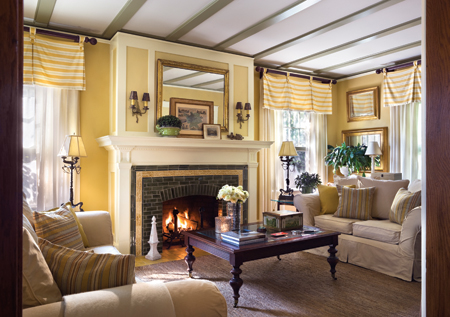
To the left of the entry hall, the living room was face-lifted with new custom brick tile from Waterworks over the existing dark, dirty-looking exposed brick walls. The dark brown/black original ceiling beams were painted to complement the new, lighter color scheme while a new Brewer-designed wood mantel and over-mantel add detail. “I love Craftsman-style houses if they have a lot of detail,” he says. “I normally tell clients that if their historic house has stained wood, it’s probably better not to paint it, but the oak in my house was really dark, and to bring it back to life would have taken a long time. I wanted a lighter look.”

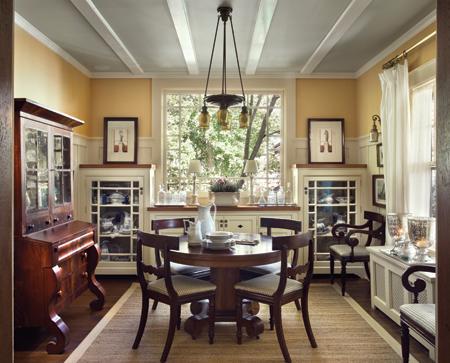
Opposite the living room, the dining room ceiling had been lowered slightly, so was missing its original beams. New beams were installed to match those in the living room and the entry hall, along with new wainscot, and light fixtures from Rejuvenation. A new custom window replaced the existing small piano window to allow more natural light into the room. In signature RAMSA style, Brewer designed a new built-in buffet in which to store his collection of antique English transfer ware. “People love the period-style built-ins in our houses,” he says, “so I added what might have been appropriate historically to the style of my house.”

Upstairs, the second-floor layout originally mirrored the first with four small rooms and no real master bedroom. Brewer removed a wall and moved a door to create a large bedroom with windows on three sides, and French doors that open to the balcony above the entry porch. The remaining two rooms serve as a guest bedroom, with a new built-in closet, and the study, which overlooks the porch and features new bookcases for Brewer’s large collection of books on architecture and interior design. Above, the attic dormer room serves as both a second guest bedroom and a sewing room for Brewer’s partner Barbara Brust, who works in the theater-costuming department at Juilliard.

Brewer drew upon his broad knowledge of the history of interior architecture to be his own interior designer. A long-time frequenter of Chelsea Flea Market and “antiques row” on Brooklyn’s Atlantic Avenue, his acquisitions generally date from 1830-1910. More important than finishing touches, however, is a solid foundation. “For all the houses we work on in my office, the architects develop the look of the room – the architecture,” says Brewer. “I always feel that’s what the best interiors are about, and that the interior design supports that.”

“I would say that the things I prefer are not eclectic,” he adds. “It’s mostly traditional furniture. I’m also interested in how pre-war middle-class homeowners furnished their houses. As architects we are taught that modernist patron-style houses are important – and a part of me loves Modernist design – but I always think, ‘What would my parents’ generation have wanted in a house?'”

It was proof of a job well done when a visitor exclaimed, “Oh my gosh, you have my grandmother’s dream kitchen!” Here a three-phase renovation banished dark cabinets and orange and brown 1970s wallpaper in favor of a 1940s-style kitchen. The original cabinet boxes were retained, but transformed with white paint, new doors, trim and brackets. New wainscot, casing, an island, and appliances modernized the room – just enough. As storage was at a premium, Brewer designed a built-in pantry and a cabinet for wine glasses. “The kitchen was a complete disaster,” he says, “which was fortunate because a lot of people who looked at the house couldn’t see past that.”

In place of tiny windows, a new door, windows and sidelites by Marvin Windows & Doors open the kitchen’s breakfast bay to the back yard. Stone retaining walls and landscaping provide privacy while the new bluestone patio, breakfast bay and grill spot around the corner provide several options for outdoor dining and coffee.

Upon purchasing the house, Brewer was presented with a fascinating record of its history and occupants. “I bought this house through Jane McAfee, a realtor and neighborhood advocate who owns a Victorian house in Park Hill,” he says. “When I moved in, she gave me a record that a long-time resident had collected of every house and who lived in it. I got this handwritten note card that listed all the families who had lived in my house, and there weren’t that many – just eight since 1906.”

“That’s what’s so interesting about houses,” Brewer adds. “Every house has a story, no matter where.” After 10 years, the architect has no plans to add another chapter. “I finally feel like it’s completely done. Now it’s time to enjoy it.”

Gary Brewer, a partner at Robert A.M. Stern Architects, recently completed a 10-year restoration and renovation project at his 1906 American Foursquare in the Park Hill neighborhood of Yonkers, NY. The neighborhood will feature in RAMSA’s upcoming book, Paradise Planned: The Garden Suburb and the Modern City to be published by The Monacelli Press this fall. Photo: © Francis Dzikowski / Esto

Gary Brewer, a partner at Robert A.M. Stern Architects, recently completed a 10-year restoration and renovation project at his 1906 American Foursquare in the Park Hill neighborhood of Yonkers, NY. The neighborhood will feature in RAMSA’s upcoming book, Paradise Planned: The Garden Suburb and the Modern City to be published by The Monacelli Press this fall. Photo: © Francis Dzikowski / Esto

To lighten the atmosphere of the ground-floor entry, Brewer, working with interior sytlist Brice Gaillard, replaced missing beams, painted the woodwork and chose a Farrow & Ball painting scheme that highlights the original features. Photo: © Francis Dzikowski / Esto

To lighten the atmosphere of the ground-floor entry, Brewer, working with interior sytlist Brice Gaillard, replaced missing beams, painted the woodwork and chose a Farrow & Ball painting scheme that highlights the original features. Photo: © Francis Dzikowski / Esto

The living room features new custom brick tile from Waterworks and a Brewer-designed wood mantel and over-mantel. The original ceiling beams were painted to complement the new color scheme. Photo: © Francis Dzikowski / Esto

The living room features new custom brick tile from Waterworks and a Brewer-designed wood mantel and over-mantel. The original ceiling beams were painted to complement the new color scheme. Photo: © Francis Dzikowski / Esto

Brewer replaced the dining room’s existing piano window, and installed new beams, wainscot, and light fixtures from Rejuvenation. He also designed a new built-in buffet in which to store his collection of antique English transfer ware. Photo: © Francis Dzikowski / Esto

Brewer replaced the dining room’s existing piano window, and installed new beams, wainscot, and light fixtures from Rejuvenation. He also designed a new built-in buffet in which to store his collection of antique English transfer ware. Photo: © Francis Dzikowski / Esto

By removing a wall and centering the door, Brewer created a large bedroom with windows on three sides, and French doors that open to the balcony above the entry porch. Photo: © Francis Dzikowski / Esto

By removing a wall and centering the door, Brewer created a large bedroom with windows on three sides, and French doors that open to the balcony above the entry porch. Photo: © Francis Dzikowski / Esto

The study overlooks the porch and features new bookcases for Brewer’s large collection of books on architecture and interior design, as well as artifacts culled from antique stores and flea markets. Photo: © Francis Dzikowski / Esto

The study overlooks the porch and features new bookcases for Brewer’s large collection of books on architecture and interior design, as well as artifacts culled from antique stores and flea markets. Photo: © Francis Dzikowski / Esto

In three phases, the kitchen was transformed from busy 1970s to 1940s. Brewer retained the original cabinet boxes, which were painted white and fitted with new doors, trim and brackets. The wainscot, casing, island, built-in pantry and cabinet, and appliances are also new. Photo: © Francis Dzikowski / Esto

In three phases, the kitchen was transformed from busy 1970s to 1940s. Brewer retained the original cabinet boxes, which were painted white and fitted with new doors, trim and brackets. The wainscot, casing, island, built-in pantry and cabinet, and appliances are also new. Photo: © Francis Dzikowski / Esto

The breakfast bay’s tiny windows were replaced with a new door, windows and sidelites by Marvin Windows & Doors that open the space to the back yard and flood the entire kitchen with natural light. Photo: © Francis Dzikowski / Esto

The breakfast bay’s tiny windows were replaced with a new door, windows and sidelites by Marvin Windows & Doors that open the space to the back yard and flood the entire kitchen with natural light. Photo: © Francis Dzikowski / Esto

Byrd Residence Restoration Project

Chadsworth’s 1-800-COLUMNS is honored to have provided the Ionic columns for the restoration of the 1920’s Colonial Revival home — the Byrd Residence.

Located in Fort Worth, Texas, this project was tackled by renowned designers, Christine G. H. Franck & Brent Hull.

This renovation project, along with the respective designers, were honored with the Historic Fort Worth award for Excellence in Preservation and a John Staub Award from The Institute of Classical Architecture & Art, Texas Chapter.

Read more about the project, and see Before & After photographs here:

READ MORE HERE

Byrd Residence Renovation

Byrd Residence Renovation

Byrd Residence Renovation

Byrd Residence Renovation

Classical Comments: Monumental Church (By Calder Loth – ICAA)

calder-loth-imgBy Calder Loth
Senior Architectural Historian for the Virginia Department of Historic Resources and a member of the
Institute of Classical Classical Architecture & Art‘s Advisory Council.

Courtesy of: the Institute of Classical Architecture & Art  blog.classicist.org/
church-1

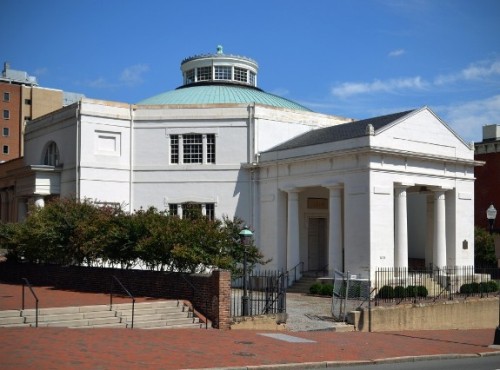
Figure 1. Monumental Church, Richmond, Virginia (Loth)

For this month’s Classical Comments essay, I am departing from the usual pattern of discussing a specific architectural feature or type and am devoting the space to a single building. I have selected Richmond’s Monumental Church not to promote an important historic landmark, but to explore the circumstances that can affect a building’s form and character. Monumental Church is also an excellent example for illustrating the use of symbolism to make a work of architecture meaningful. Too often we fail to appreciate the existence of the amazing repertoire of traditional symbols that we can draw from to lend expression and instruction to a design.

Monumental Church owes its existence to a tragedy. On the evening of December 26, 1811, many members of Richmond’s society were attending a performance in a theater originally on the site. A fire broke out in the second act, destroying the theater and killing seventy-two of the audience, including the Governor. Shock at the loss of life moved Richmond citizens to plan a suitable memorial. Following two days of mourning, the citizens of Richmond and the state resolved to erect a church on the theater site as a permanent functioning monument to the calamity. The competition for the design was won by the thirty-one-year-old Robert Mills, who was then employed in the Philadelphia office of Benjamin Henry Latrobe.

church-2

Figure 2. Monumental Church, William Goodacre engraving, 1812 (Virginia Historical Society)

Prior to working for Latrobe, Mills’ architectural proficiency had been shaped by two mentors: James Hoban and Thomas Jefferson. Mills became an apprentice to Hoban while Hoban was overseeing the construction of the White House. More significantly, Mills served as a draftsman for Jefferson, producing ink-and-watercolor drawings of Monticello and a rotunda house for him around 1803. During that time, Mills had access to Jefferson’s extensive architectural library. Unfortunately, Mills’ drawings for Monumental Church do not survive, but we have a record of the ambitious original concept in an 1812 engraving by William Goodacre. (Figure 2) The Goodacre image shows a domed auditorium church fronted by a porch-like portico surmounted by a sculpted figure of mourning. An elaborate, multi-tier steeple rises from the rear of the church. The steeple and the portico sculpture were eliminated from the final design.

As built, the church, nevertheless, can only be described as Avant-guard—a structure unlike anything ever before seen in Virginia, much less the rest of the country. In many ways, it is a synthesis of ideas learned from both Jefferson and Latrobe. From Jefferson, Mills gained an appreciation for domes and octagons, forms that intrigued Jefferson and informed many of his designs. Monumental Church’s saucer dome employs the de L’Orme construction method, which consists of laminated wooden ribs, a system that Jefferson used on both Monticello and the Rotunda at University of Virginia.[i] From Latrobe, Mills was introduced to the use of the newly fashionable Greek orders and details, as well as to non-canonical interpretations of classical moldings, primarily thin Grecian-type moldings in the inventive style of Sir John Soane.

church-3

Figure 3. Monumental Church portico (Loth)

Completed in 1814, the building has two distinct sections: the memorial and the church. The memorial is the front portico, expressed as a square shrine-like porch or reliquary sheltering the marble monument to those lost in the fire. The building’s main portion, the domed octagon, is the church, with side entrances framed by diastyle porticos.[ii] Instead of the sculpture shown in the Goodacre engraving, Mills applied a simple pediment defined by thin moldings on the raking angles and acroteria or “ears” at the ends. A long shallow panel is the only decoration in the tympanum. (Figure 3) With its ears, the pediment (and also the window lintels), echoes the form of the lids of Roman and Greek cinerary boxes, or containers for cremated remains. This form is more explicitly used on the interior as we shall see.

church-4

Figure 4. Doric of the Temple of Apollo at Delos, The Antiquities of Athens, Vol. III: Chapter X, Plate 1

church-5

Figure 5. Portico columns, Monumental Church (Loth)

The order used for the columns of the front and side porticos is based on the Doric of the Temple of Apollo on the Island of Delos as shown in Volume III of Stuart and Revett’s The Antiquities of Athens (1795).[iii] This order’s distinguishing feature is the column’s smooth shaft, with fluting employed in short sections at top and bottom. Stuart and Revett conjectured that the main part of the shaft was left plain because it was covered with tapestry during ceremonies. (Figures 4 & 5) Most authorities now believe that the columns were simply unfinished, and that full fluting of the shaft was intended but never accomplished. Nevertheless, the distinctive appearance of the columns has inspired countless imitations on Greek Revival buildings.[iv] We might speculate that the unfinished character of the columns on Monumental Church may have been an intended reference to the unfinished lives of those who perished in the fire.
church-6

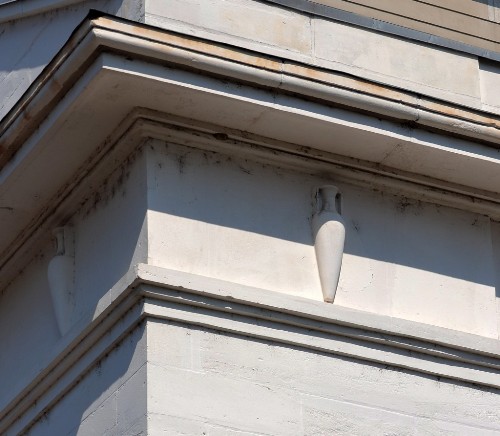
Figure 6. Portico frieze detail, Monumental Church (Loth)

The church’s theme of mourning is continued in the portico frieze through the series of bas-reliefs of lachrymatory urns. (Figure 6) These are representations of the small glass vessels usually found in ancient Greek and Roman tombs, vessels into which mourners dropped their tears. The term derives from licrima, the Latin word for tear. Lachrymatory urns are normally in the shape of a small flask with a narrow neck and wide mouth for catching the tears.
church-7

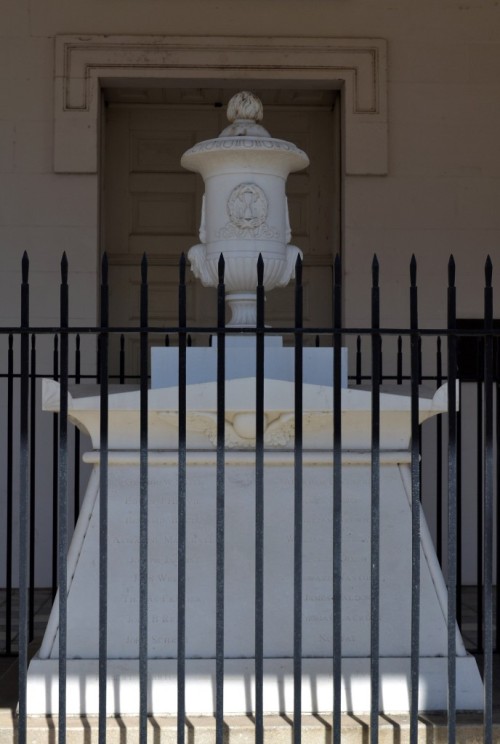
Figure 7. Monumental Church monument (Loth)

Sheltered by the portico is the marble monument inscribed with the names of the seventy-two Richmonders who perished in the fire. With its sharply sloping sides and deep cove cornice, the monument is one of the nation’s earliest structures to exhibit an Egyptian influence. (Figure 7) The Egyptian reference is heightened by the bas-relief of the winged sun disk in the cove cornice. In Egyptian mythology, the winged sun disk is a symbol of Ra, the sun god, believed by the Egyptians to be the Sun of Righteousness having healing in his wings, a title later adapted and modified by the Christians. [v]

church-8

Figure 8. Monument urn (Loth)

Symbolism abounds on the urn topping the monument. (Figure 8) The urn is in the form of an ancient cinerary urn, also a receptacle for human ashes. The flame issuing from the lid denotes the renewal of life. The downturned flaming torches on either side are ancient symbols of death, denoting the snuffing out of the flame of life. On the face of the urn we see a winged hourglass, a reminder that life is of limited time and speeds by quickly. It is encircled by a wreath of cypress branches, also a symbol of mourning. The theme of grief is reinforced by the two sculpted draped heads with their downcast eyes. The original marble monument and urn suffered extensive deterioration over the years resulting in serious loss of aesthetic and structural integrity. With the use of laser scans, an exact replica was crafted by the firm of S. McConnell & Sons of Lilkeel, Ireland and installed in place of the original in 2004.

church-9

Figure 9. Monumental Church interior, view to apse (Loth)

Entering the church through the front portico, we are struck by the horseshoe-shaped galleries enveloping the space and focusing on the apse. (Figure 9) The apse is an acoustical as well as architectural feature meant to project the sound from the pulpit. The arrangement of the room is defined as an auditory or auditorium-form church, which is a pulpit-centered unified space. This form was favored by 19th-century Protestant denominations since the high point of the service was the sermon. Hence, it was important for the congregation to see and hear the preacher clearly. Monumental’s original wineglass-shaped pulpit that towered above the reading desk was removed in a late 19th-century alteration.
church-10

Figure 10. Monumental Church interior, view to entrance (Loth)

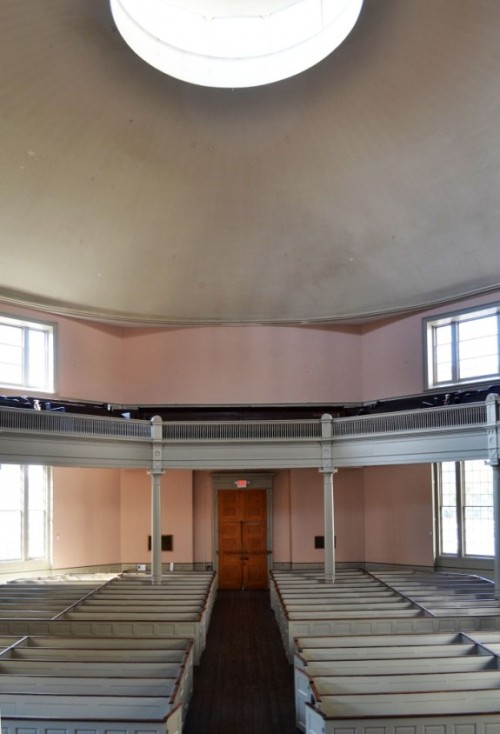
Looking from the apse towards the entrance, we see an intriguing optical illusion, created by placing the saucer dome on an octagonal base. The thin moldings of the dome’s base glide over the octagon’s reentrant angles forming shadow pendentives. In addition, the effect of the sweeping curved shadows makes the flat walls of the octagon appear as convex curves. (Figure 10) The interior receives additional light from the ring of shallow windows in the dome’s lantern.
church-11

Figure 11. Monumental Church, apse column capital (Loth)

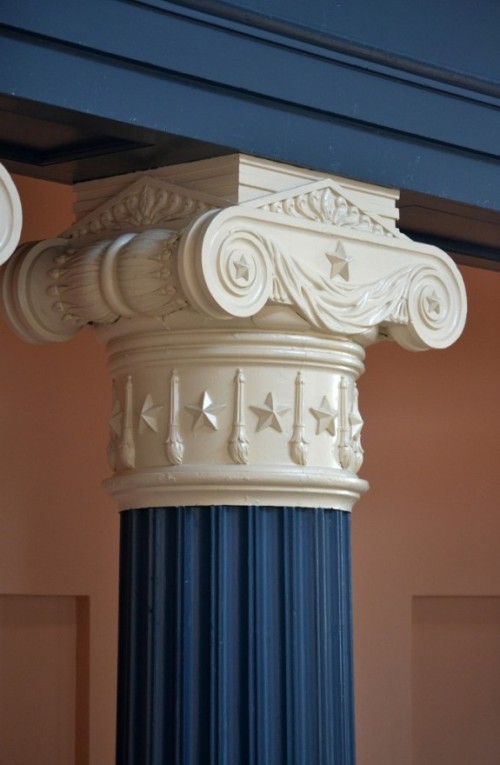
More symbols of death and mourning are displayed in the capitals of the two Ionic columns flanking the apse. (Figure 11) Instead of the normal channels between the volutes, Mills placed carved drapery swags, a motif recalling the drapery swags used to ornament catafalques and hearses. As noted above, the downturned torches, seen in the capital’s neck are ancient symbols of death. The stars, on the other hand, are symbols of heaven and eternity, reminding us of the Christian belief of the promise of eternal life after death. The leaves and buds in the balusters (sides of the volutes) are stylized versions of the Mediterranean laurel, an ancient symbol of victory and sometime symbol of eternity. Topping the capital is a modified cinerary box lid with anthemions ornamenting the triangle
church-12

Figure 12. Monumental Church, gallery detail (Loth)

church-13

Figure 13. Choragic Monument of Lysicrates cresting, Antiquities of Athens, Vol. 1: Chapter IV. Plate VI (1762) [detail]

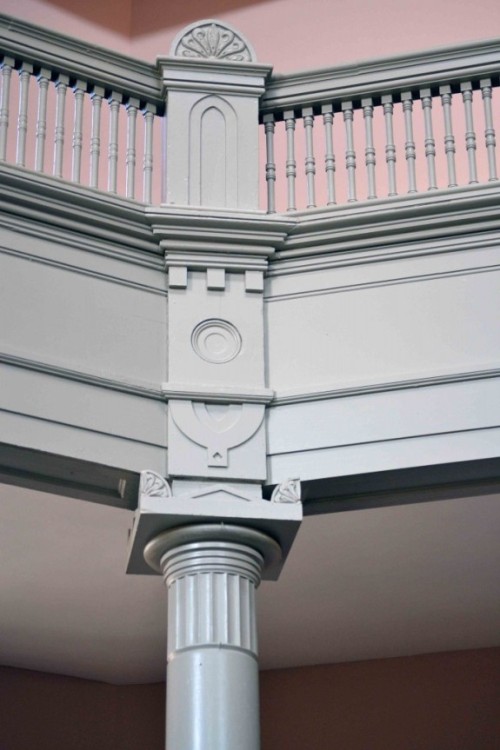
Mills’ creativity is particularly evident in the gallery columns as well as in the entablature blocks and railing pedestals above each column. (Figure 12) The columns are thin versions of the Delos Doric seen on the exterior, with short sections of fluting at the bottoms and tops of the shafts. The capitals are a Mills invention, consisting of a series of bands below a flattened echinus and an abacus in the form of a cinerary box lid. The entablature block above the capital is a unique composition. A patera, representing the shallow dishes used in the ancient ceremonies of sacrifice, ornaments the frieze. Any symbolism inherent in the curved motif in the architrave is undetermined. Individual too are the three bold dentils and the complex series of compressed moldings forming the cornice. The shallow recessed Gothic panel in the pedestal may be a reference to Christianity. However, the anthemion motif in the ornament atop the pedestal is taken from the cresting of the Choragic Monument of Lysicrates as illustrated in The Antiquities of Athens. (Figure 13)

church-14

Figure 14. Monumental Church, west doorframe detail (Loth)

church-15

Figure 15. Monumental Church, west stair vestibule (Loth)

Similar creativity and imagination is exhibited in the doorframes leading to the side vestibules and the gallery stairs. (Figure 14) Here the classical vocabulary has been abstracted to the degree that it resembles Art Deco ornament of the mid-20th century. With their sinewy lines the double stairs in each vestibule are masterpieces of design and construction. Each flight winds up the curved walls of the vestibule to a landing at the top. (Figure 15)
church-16

Figure 16. Monumental Church, crypt vault (Loth)

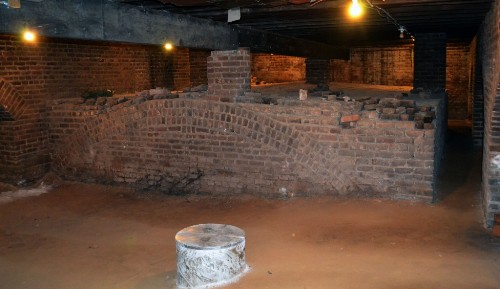
We must venture in the crypt to see the final piece of Monumental Church’s poignant history. Towards the crypt’s southern end, but not quite beneath the portico, is a large brick vault containing the ashes of those who perished in the fire, whose remains could not be identified. (Figure 16) X-ray examination of the vault indicated that the ashes are interred in two large wooden boxes.

Monumental Church was originally intended to be a non-denominational shrine available for community use. Practicality, however, dictated that it be an Episcopal parish church instead, in which capacity it served until 1965. The church is now owned by the Historic Richmond Foundation and has been undergoing long-term restoration under the foundation’s direction.[vi] The architectural lesson of Monumental Church is that its design is an effective (and indeed early) demonstration of the Miesian dictum that form follows function. In this case, however, its architect utilized traditional forms—an octagon, a dome, and porticoes, to create a distinctive composition for accommodating a particular programmatic use and a special symbolic function. He gave expression to the composition by employing various ancient symbols to both convey and memorialize its tragic history. Finally, using a fertile imagination, he created unique compositions of details that provoke lasting reflection.


[i] Detailed illustrations of the rib construction were published in Philibert de l’Orme’s Nouvelles Inventions pour dien bastir et a petiz frais (1561).
[ii]
The portico is executed in Aquia Creek sandstone. The main body of the church is brick covered with stucco. The whole structure was originally covered with limewash for a uniform appearance. The portico stone was cleaned of later coatings in the mid-20th century, exposing the stone. The current limewash coating is a recent treatment and is part of the ongoing restoration.
[iii]
Stuart and Revett made their two engravings of this order from two columns and other fragments found among ruins of what was then an uninhabited Island. They speculated that the columns belonged to a temple dedicated to Apollo. Subsequent authorities have maintained that identity.
[iv]
It is uncertain whether Mills’ model for the order was Stuart and Revett’s depiction or a similar illustration published in Julien-David Le Roy’s Les ruines des plus beaux monuments de la Grece (1758). Le Roy’s work was a primary source for Mills’ mentor Benjamin Henry Latrobe, and the work was also owned by Mills’s other mentor Thomas Jefferson. Mills could have had access to the book from either Latrobe or Jefferson. Jefferson owned volume 1 of Antiquities of Athens but not volume III.
[v]
Shira.net
[vi]
Like nearly all churches, Monumental Church evolved in appearance through alterations and additions over the years. In the late 19th-century, the original apse arrangement was changed to accommodate the more ceremonial Episcopal liturgy. Golden oak choir stalls, priest’s chairs and desks, and altar were installed. Stained-glass windows replaced the original clear glass panes. A Sunday school wing was added to east side. Following the church’s deconsecrated, it was determined that Mills’ original scheme was more important than the later changes, and the long-term restoration of its original design was begun.